
Thursday, December 5, 2019

Friday, November 22, 2019
Treat Your Feet and be Thankful!

With Thanksgiving next week and then the big holiday rush (cue the muzak), I'm sure most of your are getting pretty tired. Especially those of you who stand on their feet all day, and then go home to stand in the kitchen and cook! Do you know your feet can cause pain all the way up your body?
Like the foundation of a house, it all begins at the ground. Your foot structure often contributes to shin, knee, hip or back pain. Have you ever wondered how a higher arch can increase the likelihood of heel pain and ankle instability, which in turn changes the way you walk? Are you aware that most adults have a leg that is longer?
Pamper yourself this holiday season and go visit a qualified clinician and find out your foot type. Each foot type requires a different type of correction to align your feet, legs, and spine. Your clinician can explain how your foot type contributes to the type of pain you are experiencing, and how orthotics properly balance feet and can dramatically improve your overall posture and strength and decrease your pain.
Why wait? Find a Practitioner who sells QUADRASTEPS and littleSTEPS for kids.
YOU WILL BE THANKFUL!
For more
information EMAIL
US
Twitter: @LSteps @QuadraSTEPS
FB: @quadrasteps
Thursday, August 22, 2019
It's time for Back To School recommendations!
It's time for Back To School recommendations!

Watch Dr. Louis DeCaro on Mass Appeal with his Back To School Shoe Recommendations!

Watch Dr. Louis DeCaro on Mass Appeal with his Back To School Shoe Recommendations!
For more
information EMAIL US
Twitter: @LSteps @QuadraSTEPS
FB: @quadrasteps
Friday, July 19, 2019
Ever Wonder Why You Would Need a Foot Orthotic?
Your Feet Are Important!

Like
the foundation of a house, it all begins at the ground. Yes, flat
JUST
BECAUSE YOUR FEET DON’T HURT DOESN’T MEAN THEY AREN’T THE FOUNDATION OF YOUR SYMPTOMS!

Have
you ever wondered how a higher arch can increase the likelihood of heel pain
and ankle instability which in turn changes the way you walk?

Are you
aware that most adults have a leg that is longer? In fact, the majority of individuals have some
degree of limb inequality either in structure or function.
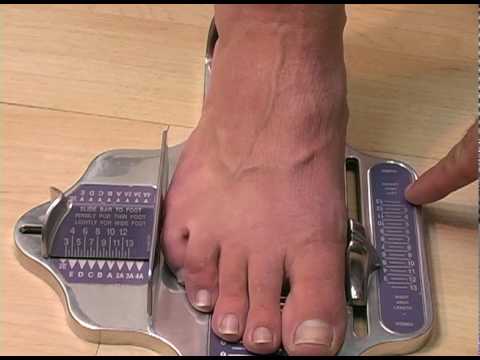 Did you know your shoe size can change even if your feet haven't necessarily "grown"?
Do you wonder if it can actually be healthy to wear
a heel occasionally?


Did You Know Your Foot
Type is Genetic? Your foot type and how
you walk is inherited from your parents, just like hair and eye color. You
won't "outgrow" your foot problems, and your kids will
inherit your feet!
Foot Orthotics can help with all
these conditions, as they actually help to stabilize and control the way you
walk so that you are aligned properly, and you have a stronger foundation. That
can result in alleviation of pain and symptoms in ALL areas of your body, not
just your feet.
Why Treat All Feet the Same?
Your
feet are not like anyone else's, why should your foot orthotics be the same?
The QUADRASTEP SYSTEM® is based on the different structural
and functional aspects of the foot, categorizing them into 6 specific foot
"types". Each foot type influences not only how you walk, but the
conditions and symptoms that you may experience throughout your life.
The QUADRASTEP SYSTEM® provides truly corrective
prefabricated foot orthotics (not just arch supports) that can bring immediate
improvement to your symptoms! Your practitioner can select
a device with the correct features for you, based on your foot type.
QUADRASTEP® orthotics are the closest
you can get to a custom orthotic, without the expense and
wait!
Your practitioner can explain how properly balanced
feet can dramatically improve your overall posture and strength to optimize
your bio-mechanical wellness.
To find a practitioner that can dispense QUADRASTEP® orthotics, check our Find a Practitioner page
on Nolaro24.com and get RELIEF NOW!
For more
information EMAIL US
Twitter: @LSteps @QuadraSTEPS
FB: @quadrasteps
Wednesday, July 3, 2019
Tips for Athlete's Feet from Dr. DeCaro
Watch Dr. DeCaro on Mass Appeal on Channel NBC 22
with tips on how to keep your feet in great shape!

Friday, June 28, 2019
Summer Foot Woes
Most of us really enjoy the summer, we get a chance to get
outside and enjoy the weather and our surroundings. It’s the time of year where
we shed layers of clothing to stay cool – and that can include our footwear.
Who doesn’t love going barefoot? Sandals? Love ‘em! But unprotective or poor
choices in footwear can lead to foot pain or other foot health issues if you
aren’t careful.
Here are some common problems to watch out for so that you
don’t ruin your summer fun!

Going Barefoot
I love the feeling of sand between by toes at the beach, but
what I don’t love is stepping on something sharp and cutting the bottom of my
foot and then limping around and trying to keep it clean while I try to find a
band-aid! It’s a better idea to wear sandals or flip flops (one of the times
they are useful) while you are walking on the sand.
The same goes for running around barefoot in your yard and
stepping on a rock or doing yard work barefoot and dropping something on your
toe – no one wants to spend their weekend having surgery. Always wear sneakers
or other protective shoes when you or your kids are working or playing in your
yard.
Also, you can cause foot pain when walking barefoot,
especially people who have high arches. They need a shoe or sandal that is
supportive of their arch, or you can cause overstretching which can be very
painful.
Flip Flops or “Cute”
Sandals
 Flip flops are better left to the pool and the beach as I
have blogged about earlier, they can cause a slew of injuries and problems.
Cute Sandals may look great but the problems they can cause are not worth it!
They can cause the same kinds of problems as flip flops, plantar fasciitis, bruising
of the joints of the forefoot, injuries between he toes, tripping injuries, and
sprains. Spend a little more and get a sandal with some built in arch support,
or one that can discretely accommodate your foot orthotics.
Flip flops are better left to the pool and the beach as I
have blogged about earlier, they can cause a slew of injuries and problems.
Cute Sandals may look great but the problems they can cause are not worth it!
They can cause the same kinds of problems as flip flops, plantar fasciitis, bruising
of the joints of the forefoot, injuries between he toes, tripping injuries, and
sprains. Spend a little more and get a sandal with some built in arch support,
or one that can discretely accommodate your foot orthotics.
Kid’s Sports Cleats
Many kids are playing summer sports during the hot summer
months, and it is common for kids to experience heel pain from baseball cleats.
They are often poorly made and the cleats on the heel can result in bruising of
the growth plate at the heel in children. There is also little to no arch
support in most kid’s cleats. An orthotic goes a long way to alleviate the
stress and pain cause by these unsupportive shoes.
Sunburn
Many people simply forget to apply sunscreen to their feet,
causing painful sunburn and sometimes swelling that makes it difficult to put
on shoes or sometimes even walk around.

Exercising
With the summer comes the desire to look our best and “get
into shape”, and many people tend to jump right in and sometimes overdo it.
People wear shoes that are old and worn out to exercise in, and they are not
supportive enough in the right places. There also tends to be more overuse
injuries such as stress fractures and tendonitis. Wear a good, supportive,
stability shoe and doesn’t’ wait untilt he are worn out to get a new pair.
Check with your clinician to see if you could benefit form foot orthotics to
help support your feet, ankles, knees, hips and back.

Hot, Sweaty Feet
All the sweating and swelling that running around in the summer
can lead to can also cause some other problems such as corns and blisters. Be
sure to wear cushioned socks with your footwear, and if you have corns or
blisters, try blister pads over the blisters and donut pads over the corns to
keep them from getting more painful.
Athletes foot can
also be more of a problem in the summer because more people can be running around
barefoot spreading it, so be sure to wear flip flops (again – one of the times
they are useful!) around the pool and at the gym shower.
For many of us this is one of our favorite times of the year,
so keep your feet in mind and have a safe, happy, wonderful, fun-filled summer!
Friday, June 21, 2019
Pediatric Footwear: What You Need to Know
Note: The author wishes to thank Bernie Veldman, CO, Lori Watson, BA, and Mindy Grant, PMA for their assistance with this article.
Those who specialize in podopediatrics are commonly faced with the challenge of treating not only by proper orthotic or brace control, but also finding the correct shoe to complement the care. The common goal with all pediatric foot orthoses is to help children gain mobility, ultimately giving them a better quality of life. Proper support gives a child the gift of running, jumping, and playing with confidence and stability. Providing the orthotic device is only half of the solution; proper shoe fit is equally important. Although finding the proper shoes for a child can be challenging, the benefits outweigh the challenges and inconveniences. All recommended measures should be taken to ensure that the child is safe and stable today, as well as protected from potential foot deformities in the future.
Identifying the Problem
When a child complains of pain, or abnormalities in gait are observed, steps should be taken to ensure correct treatment. Unfortunately, children might not verbalize symptoms, so it is important to watch for these biomechanical changes throughout their gait cycle. Often times, mild to moderate foot and ankle problems are ignored by primary caregivers until the child complains of pain. Parents and caregivers should also be aware of fatigue levels, stamina, speed, agility, and coordination when watching their children during physical activities. Understanding when to contact a podiatrist is important!
“Growing pains,” may not be just that, and may be attributed to the biomechanical implications of the feet on the rest of the body. Sadly, if you take a poll of the millions of Americans with foot problems, the magnitude of crippling foot deformities in the United States is concerning. It becomes obvious that most people do not “grow out” of their foot problems, and those “growing pains” were actually a medical issue left untreated (Figure 1).
Flexible Flatfoot
The most commonly ignored foot problem in children is the flexible flat foot, which may coincide with either intoeing or out-toeing. Typical presentation of the flexible flat foot is an apparent “normal” arch in non-weight-bearing, with hyper-mobility and excessive vertical collapse of the arch in weightbearing. Common adaptations in gait are in-toeing and toe-walking, both mechanisms that have a supinatory effect on the foot.With the inability to adequately lock the mid-tarsal joint, functions such as efficient running, jumping, and balancing on challenging surfaces are impaired, not to mention muscle fatigue and abnormal shoe wear. The challenge of early diagnosis is that it is normal to have an apparent low-arched foot before the age of three, and most children do not have a well-developed arch before age four. X-rays, gait analysis, and physical exam by a podiatrist can help guide parents on whether their child’s foot is normal. Most children with mild to moderate flexible flat foot benefit from sturdy shoes and a pre-fabricated orthotic device as an important part of their treatment (Figure 2).

Excessively Rigid High-Arched Foot
Conversely, having an excessively rigid high-arched foot can also lead to abnormal biomechanics. Hypo-mobility in the foot leads to poor shock attenuation through the limbs and axial skeleton. Often, permanent damage to joint cartilage and ligaments has already occurred by the time parents seek help for their child. Abnormal foot mechanics is not really much different than a car out of alignment. Abnormal tire wear is a “symptom” of a mal-alignment.
It makes no sense to change the tires (or take an anti-inflammatory) before you fix the underlying mal-alignment with proper footwear and orthoses if necessary.
Inappropriate or ill-fitting footwear
Children who wear inappropriate or ill-fitting footwear can develop foot deformities later in life. Bunions, corns, calluses, and hammertoes can all be medical consequences of ill- fitting, inappropriate footwear options. Children are also at risk for developing ingrown toenails and fungal nail infections due to shoes fitting too tightly. Friction from tight-fitting shoes can cause the nail to grow abnormally and into the skin. Poor air flow can create moist environments where fungal spores can flourish. Foot health greatly depends on properly fitted footwear.
Measurement and Fit
Once we as podiatrists have decided the degree of supportive footwear that is necessary, determining the proper fit is the next step for the parents. Children’s feet should be measured monthly to ensure that the child is wearing the appropriate size. Children typically outgrow a pair of shoes before they wear out the shoes. Parents should perform monthly checks to determine whether their child has outgrown his or her shoes. They should be instructed to palpate the tip the hallux (or longest toe) and the ball of the foot. There should be 1 cm of space between the tip of the longest toe and the end of the shoe. In addition, the ball of the foot (the widest part of the foot) should be in the widest part of the shoe. If there is not enough room in the toe box, the child’s toe movement is restricted. Constricting shoes also restrict blood and air flow. It is important to consider that the risk of developing foot problems later in life, such as hammertoes and bunions, is reduced when a child wears properly fitting shoes. It is critical that the parent check the fit of the child’s shoes regularly and purchase new shoes when the child has outgrown them, not when the shoes are worn out.
Shoe Buying
When purchasing new shoes for a child, it is important that he or she be present to try them on. The child should first be measured with a Brannock device to determine which shoe size to begin with. Ensuring that both feet are measured while the child is weight-bearing is critical. It is common to have one foot that is slightly larger; therefore, measuring only one foot could result in purchasing the wrong size. The child should also wear the socks that he or she normally wears. Proper fit depends on finding footwear that accommodates the length, width and thickness of the foot. Observe for excessive heel slippage during gait. If excessive heel slippage is noted, try a different size or style/last. Always encourage the parents of children to have them walk around in the shoes to make sure they fit comfortably.
If a child wears an orthotic, SMO, or AFO, parents should bring that device with them to ensure that it will fit into the shoes. If a child is not available to try on shoes, providing the pedorthist or shoe-fitting clerk with a tracing of the child’s foot is an option.
Relying on an assumed child’s shoe size alone may result in ill-fitting footwear. Although tempting as a costcutting measure, parents should be discouraged from purchasing shoes with “room to grow.” The child will struggle to keep the shoes on properly, causing his foot to shift back and forth in the shoe, potentially causing blisters. In addition, for the most accurate fit, take achild shoe-shopping later in the day when swelling of the feet will be more pronounced. This is even true in kids!
Purchasing the correct size, and maintaining proper fit is important to maintaining foot health.
Picking Out Footwear
Once the child has tried on several pairs of shoes, determine if the shoes are appropriate for the child’s needs. Exposing the natural internal sole of the shoe will tell you a great deal about the manufacturing quality of the product. Look for a smooth surface that is free of glues, rough spots, or exposed materials that can cause abrasions, breakdown, and discomfort.
Closely examine the shoe to see what role the insoles play in creating a firm, supportive cavity. The support and strength of the shoe should a byproduct of its construction, and not created by the use of the insoles. Examining footwear closely will help you to ensure the quality of the child’s shoes.
What to Consider If a Child Wears An Orthotic, AFO, or SMO
If the child wears orthotics, an SMO, or an AFO, finding appropriate footwear to accommodate these devices can be a daunting task. Even pre-fabricated foot orthoses, such as the littleSTEPS pediatric orthotics, are being designed with deeper heel cups and correction to spare the parent the cost of the out-growth of comparable custom devices. Therefore, there is a rapidly increasing need for accommodative footwear. A great deal of effort is placed in finding shoes that are wide enough, deep enough, and long enough. Unfortunately, until recently, this search often ended in parents purchasing shoes that were as much as two sizes larger than the natural foot to satisfy the demands of the orthotics.
To keep up with the growing demand to accommodate orthotics, footwear companies such as Keeping Pace and Sure Step are designing shoes specifically with children’s adaptive footwear needs in mind.
Here are some important elements to look for in choosing a specialty shoe:
• Internal engineering with adjustable depth technology
• Wider heel and toe box that accommodates the orthosis without compromise
• Distinctive sole with increased contact surface to promote greater medial/ lateral stability
• Ankle-to-toe speed lacing with locking eyelets for faster on-off and ease of wear-ability
• Geometrically graded last that ensures precision fit
• Fray-resistant lining and high abrasion-resistant toe cap to ensure durability.
When looking for an added-depth shoe, it is important to note that a shoe that has more than one insole does not necessarily mean that it is deeper and ill accommodate an AFO, SMO, or orthotic. It is necessary to take a look at the depth gained upon removing
the insole and what happens to the integrity of the shoe once the insoles are removed. Also, children wearing rigid AFOs do not require flexible soles due to the rigid AFO. The firmer the rubber bottom sole, the higher the abrasion tolerance, particularly for toe draggers, children who scissor, and those with challenging gait patterns.
The differences between a regular athletic shoe and footwear from companies such as Sure Step footwear include depth, durability, and flexibility. Perhaps the most unique feature is the tread design which allows the foot to intrinsically move. The sole is equipped with two extra deep cross cuts to provide the necessary flexibility to allow a “break” as the third rocker is approached, facilitating more normal, natural movement of the foot through push-off. The wide, rounded toe box with added depth makes fitting these unique shoes over AFOs, SMOs, or other orthoses, an easy task. The additional 3/8” instep depth accommodates any dorsal strapping that an orthosis may contain. Each shoe comes complete with two 1/8” removable inserts, making slight leg length discrepancy adjustments a quick and easy task. When greater adjustments are needed to the shoe height, a cutline is provided to make sole removal worry free.
Best Foot Forward
In the past, footwear options for children using braces and orthotics were dismal. Children who require specialty shoes want to be as fashionable as their peers. Fortunately, some companies, such as Keeping Pace and Sure Step, offer contemporary fashion and stylish looks in addition to well-engineered design. Fashion is important to children: if children like the look of their shoes, they will wear them. Some fashion choices, like high heels for adolescent girls, should be avoided due to the numerous health consequences. High heels and confining shape create an uneven distribution of weight which can increase risk of bunions, hammertoes and other foot deformities. Lately, there is also a trend of wearing shoes very loosely laced. Appropriate footwear requires proper lacing techniques. Without proper lacing techniques, the foot is not secured in the shoe and can be vulnerable to instability and injury. Laces that are too tight can interfere with circulation and may also cause injuries such as tendonitis.
Supportive, stabile footwear is critical to maintaining foot health. Whether the footwear is supporting a child during sporting activities, or stabilizing the child while jumping and playing, footwear protects feet from injury when appropriate choices are made.
Although there can be many different factors to consider, especially when accommodating an orthotic, AFO, or SMO, the benefits are astounding. Giving a child the gift of greater mobility ensures overall health and wellbeing for many years to come.
Louis J. DeCaro, DPM
specializes in pediatrics with a special interest in sports medicine and biomechanics. He is a member of the American College of Foot & Ankle Pediatrics and a member of the surgical & medical staff at Cooley Dickinson Hospital and Franklin Medical Center. He is currently in private practice with two private offices located in South Deerfield, and Easthampton MA. He is the director and founder of the Multidisciplinary Adult & Pediatric Gait Labs Biomechanics Clinic, which takes place biweekly at his Easthampton office. His email is louisdecaro@decaropodiatry.com.
Subscribe to:
Posts (Atom)